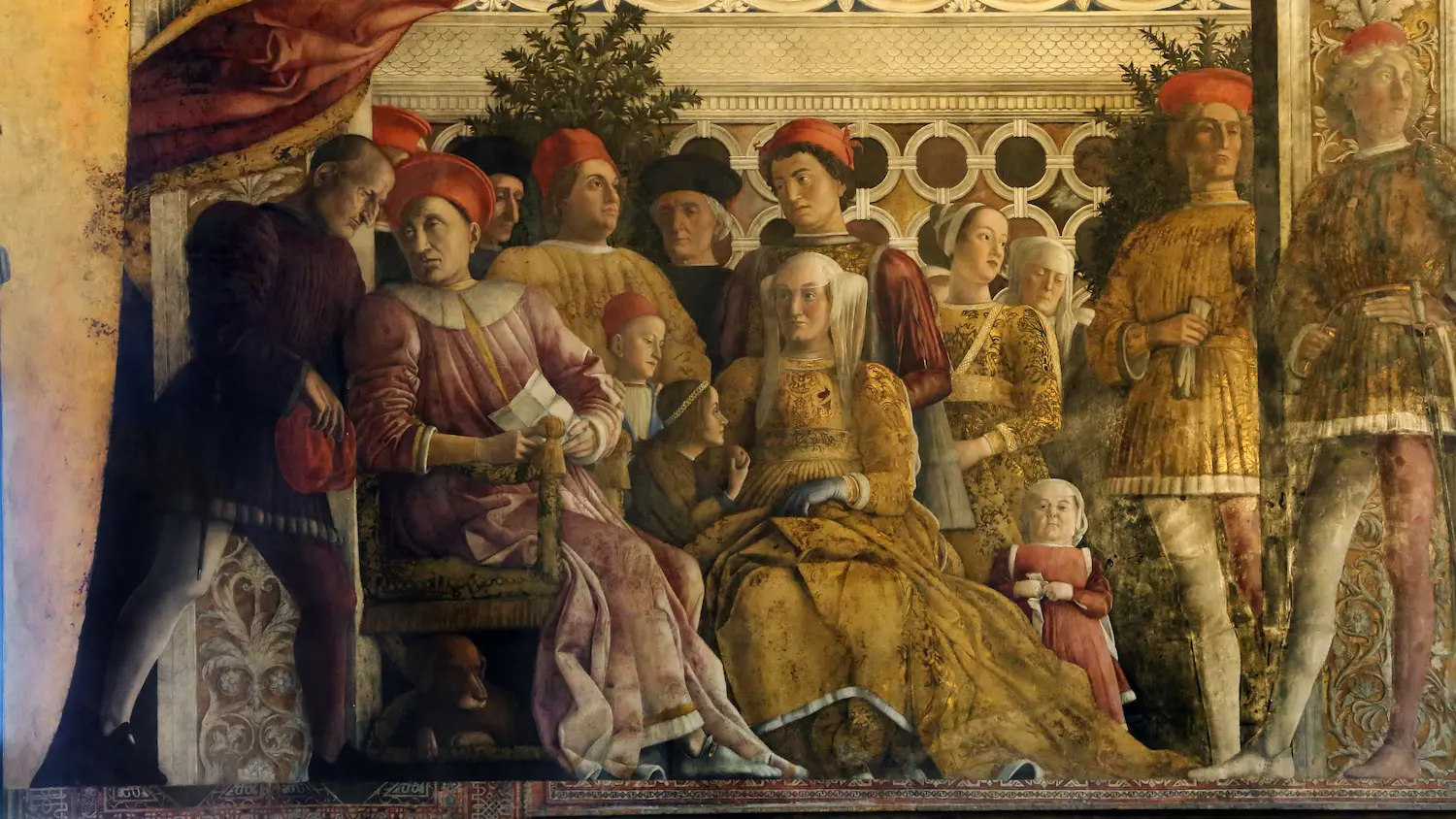
Mantua is famous for its extraordinary artistic heritage, its Renaissance history, and its role as one of the most important cultural centers in northern Italy. Despite its relatively small size, the town has played a major role in European history and today is recognized as a UNESCO World Heritage Site. Located in Lombardy and surrounded by three lakes, Mantua offers a unique combination of art, architecture, landscape, and traditions that make it one of Italy’s most fascinating historical towns.
Table of content:
A UNESCO World Heritage City
Mantua, together with Sabbioneta, was inscribed on the UNESCO World Heritage List in 2008. The recognition highlights the exceptional urban, architectural, and artistic value of the city, shaped mainly during the Renaissance under the rule of the Gonzaga family.
The old town has preserved its original structure, palaces, churches, and public spaces, offering a rare example of a Renaissance court city that has remained intact over the centuries.
The Gonzaga Family and the Renaissance
One of the main reasons Mantua is famous is the Gonzaga family, who ruled the city from the 14th to the 18th century. Under their patronage, Mantua became a leading center of Renaissance art and culture.
The Gonzaga court attracted some of the greatest artists and intellectuals of the time, transforming the town into a refined and influential cultural centre. Their legacy is still visible today in Mantua’s palaces, churches, and urban planning.
Masterpieces of Art and Architecture
Mantua is renowned for its extraordinary monuments and works of art. Among the most famous sites are:
- The Ducal Palace, one of the largest palaces in Europe, home to Andrea Mantegna’s Camera degli Sposi
- Palazzo Te, a masterpiece of Renaissance architecture designed by Giulio Romano, famous for its illusionistic frescoes
- The Cathedral of Saint Peter, overlooking Piazza Sordello
- The Basilica of Sant’Andrea, designed by Leon Battista Alberti, one of the most important Renaissance churches in Italy.
These monuments make Mantua a key destination for art and architecture lovers.
Andrea Mantegna and Mantua’s Art
Mantua is closely associated with Andrea Mantegna, one of the greatest painters of the Italian Renaissance. His work at the Gonzaga court left a lasting mark on the town’s artistic identity.
The Camera degli Sposi in the Ducal Palace is considered one of the most innovative pictorial achievements of the 15th century and is one of the main reasons visitors from around the world come to Mantua.
Literature, Music, and Cultural Heritage
Mantua is also famous for its literary and musical heritage. The Latin poet Virgil was born near Mantua, and the city has long celebrated its connection to classical literature.
In music, Mantua played a key role in the development of opera during the early 17th century. Claudio Monteverdi worked at the Gonzaga court, contributing to the town’s importance in the history of Western music.
Giuseppe Verdi’s famous opera “Rigoletto” is set in Mantua. The story of Andreas Hofer ends tragically in Mantua, and the city also appears in some of Shakespeare’s famous works. Many figures from the past visited the town and maintained relations with the Gonzaga family. Its hills, where the wars of independence were fought, are also linked to the figure of Henry Dunant and the birth of the Red Cross. This and much more.
A Town Shaped by Water
Mantua’s landscape is another distinctive feature. The city is surrounded by three lakes formed by the Mincio River, creating a unique natural setting that has influenced its history, defenses, and urban development.
This relationship between water, architecture, and nature contributes to Mantua’s charm and sets it apart from other Italian art towns.
Mantua Today
Today, Mantua is famous not only for its past but also for its high quality of life, cultural events, and traditional cuisine. Festivals, exhibitions, and performances continue to animate the town throughout the year, keeping its cultural heritage alive. Festivalletteratura, Segni d’infanzia and Trame Sonore are probably the most famous ones.
Mantua remains a destination for travelers seeking art, history, and authenticity, offering a rich experience in a compact and easily walkable old town.