Information
Duration
2 hours.
Language
The activity takes place with an English-speaking guide.
Included
Licensed English-speaking guide.
Not included
Admission fee to the the monuments in Sabbioneta. For current fees and reductions, please see visitsabbioneta.it
Meeting point
In front of the Ticket Office in Sabbioneta. View map
Cancellation
Free cancellation up to 48 hours before the activity starts. Any cancellations after this time or no-shows on the day will not be refunded.
Accessibility
Not wheelchair accessible.
Pets
Not allowed.
Sabbioneta: The Ideal Town in the Heart of Lombardy
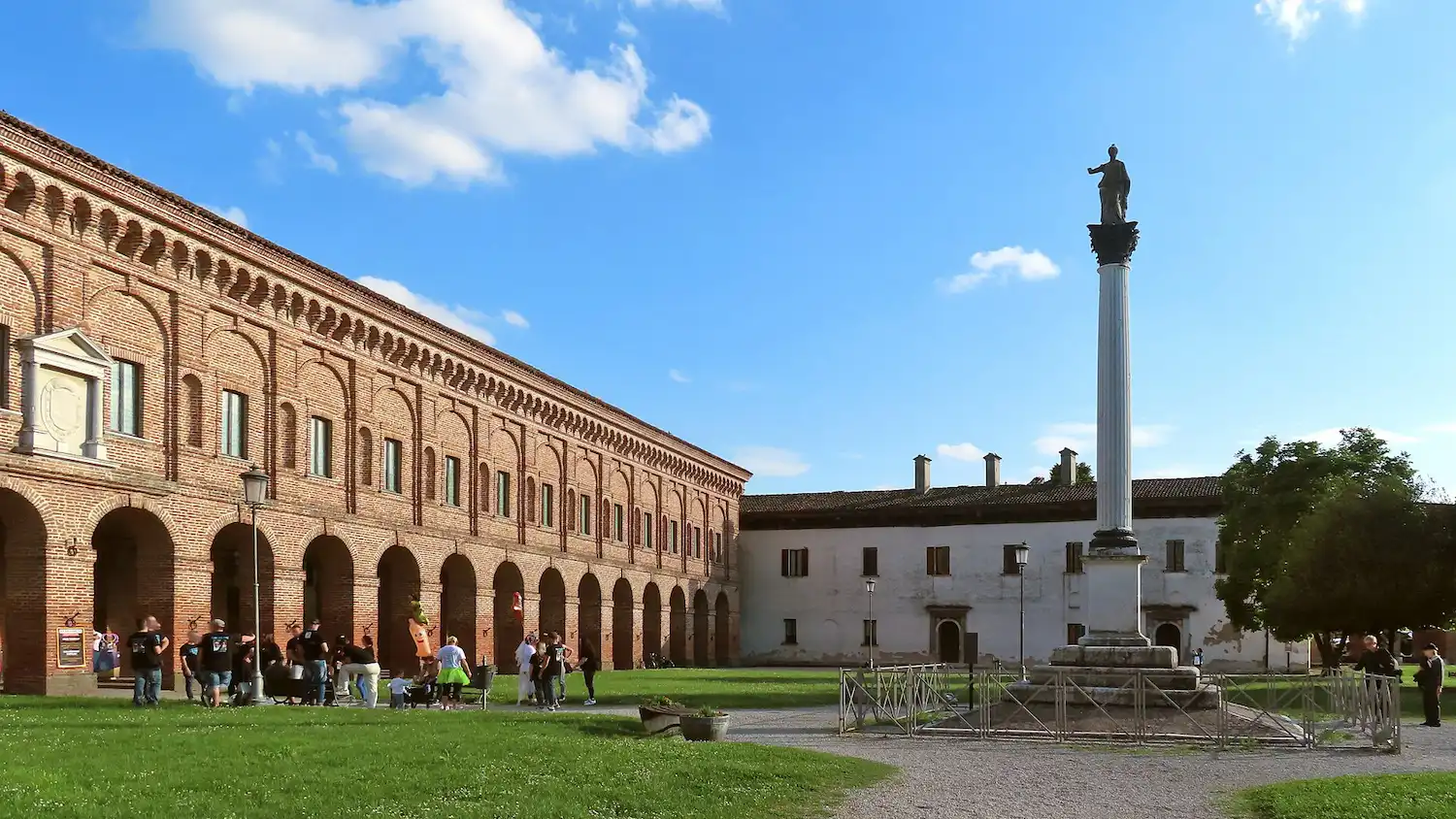
Sabbioneta is one of Italy’s most extraordinary hidden gems: a perfectly preserved Renaissance city that feels like a living architectural masterpiece. Located in the province of Mantua (Lombardy, Northern Italy), this small yet powerful town was designed in the 16th century as an “ideal town” by Duke Vespasiano Gonzaga Colonna.
Today, Sabbioneta is recognized as a UNESCO World Heritage Site and admired internationally as one of the most complete expressions of Renaissance urban ideals. Its harmonious urban planning reveals a city conceived as a unified project rather than a place that simply evolved over time. Every street, square, and fortification follows a precise geometric logic, reflecting the Renaissance belief that order and proportion could shape not only architecture but society itself.
The elegant palaces, refined public spaces, and carefully balanced layout create a sense of visual coherence that still impresses modern visitors. What makes Sabbioneta truly exceptional is the way its artistic and architectural heritage remains intact and readable: it is not a fragment of the past, but a fully realized vision of the “ideal city”, preserved in stone and still remarkably authentic today.
Visiting Sabbioneta means stepping into a place where humanist philosophy, art, power, and urban design merge into one of the most fascinating Renaissance projects in Europe.
A Visionary Renaissance City
Unlike most Italian towns that developed organically over centuries, Sabbioneta was designed from scratch as a single, visionary project.
Vespasiano Gonzaga, nobleman, military strategist, intellectual, and patron of the arts, imagined a city based on:
- Renaissance humanism
- Classical ideals
- Geometric perfection
- Urban rationality
- Aesthetic harmony
The result is a town conceived according to rigorous architectural principles, where every element contributes to a coherent and harmonious whole. Its straight, symmetrical streets guide the eye and the movement of visitors with deliberate clarity, reinforcing the sense of order that defines the entire urban plan. Monumental entrances mark the thresholds of the city with dignity and strength, emphasizing both protection and prestige.
Buildings are positioned with mathematical precision, creating visual alignments and balanced perspectives that reveal the careful planning behind every choice. Public and private spaces interact in equilibrium, reflecting a Renaissance understanding of civic life in which aesthetics, functionality, and social harmony were meant to coexist seamlessly.
Every corner reflects a utopian Renaissance dream, making Sabbioneta one of the clearest examples of ideal city planning in history.
UNESCO World Heritage Site
In 2008, Sabbioneta received official recognition as a UNESCO World Heritage Site, together with nearby Mantua.
Why Sabbioneta is UNESCO-listed:
- Outstanding example of Renaissance urbanism
- Exceptionally well preserved
- Original city structure intact
- Rare example of a planned Renaissance city
- Authentic atmosphere untouched by mass tourism
Unlike many historic towns, Sabbioneta still looks and feels almost exactly as it was conceived, offering visitors a true open-air Renaissance museum.
Town Walls & Monumental Gates
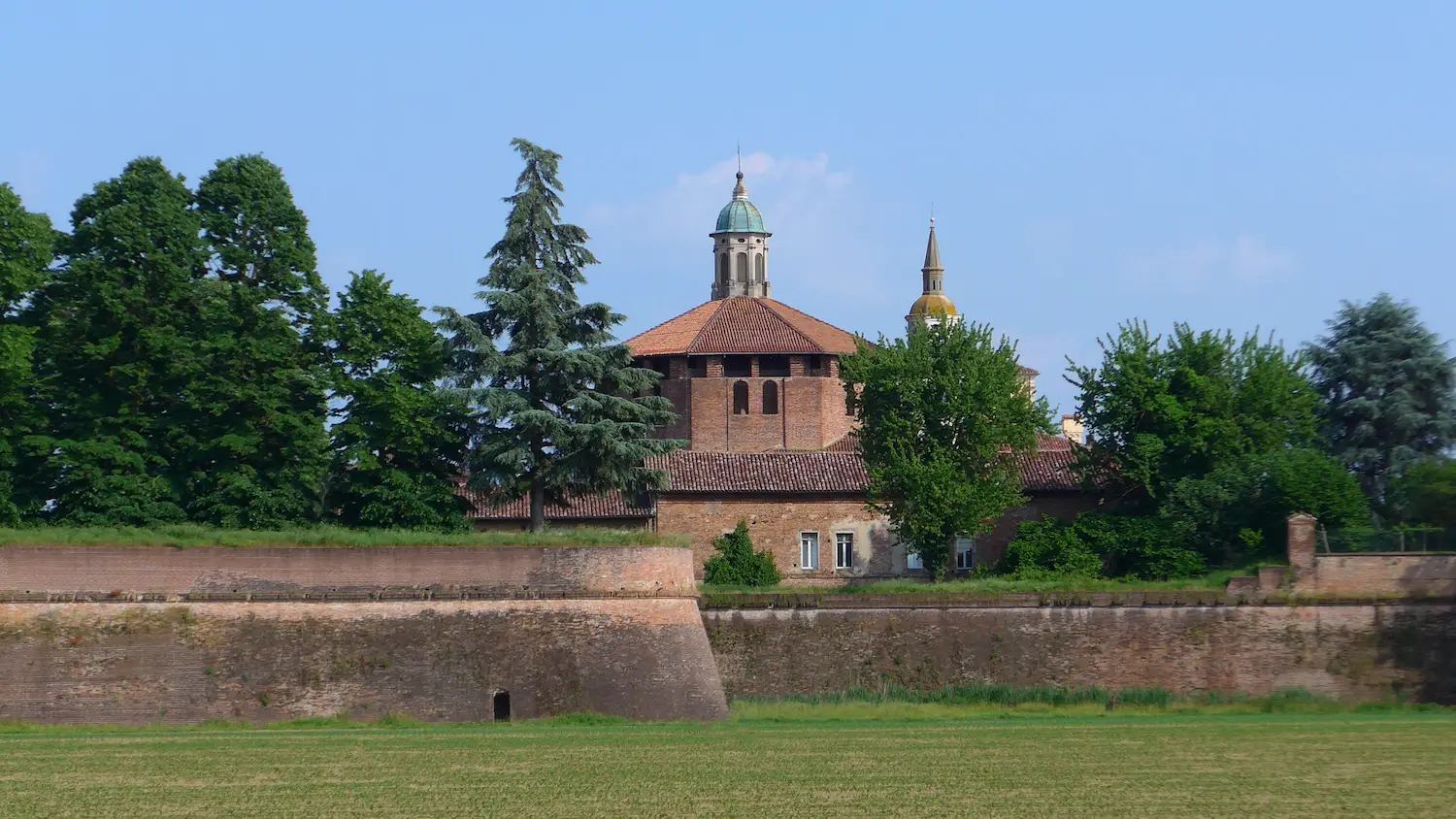
Among the most striking elements of Sabbioneta are its impressive town walls and monumental gates, which immediately reveal the ambition behind its foundation. Designed in a distinctive star-shaped form, the fortifications reflect the advanced military architecture of the Renaissance, combining defensive efficiency with powerful symbolism. The geometric precision of the enclosure does more than protect the city: it defines it. The walls create a perfectly measured boundary, turning Sabbioneta into a self-contained and ideal urban organism, a tangible expression of the “ideal town” concept so central to Renaissance thought.
The experience of entering the town is equally meaningful. The monumental gates, such as Porta Vittoria and Porta Imperiale, were conceived not merely as functional access points but as architectural statements. They frame arrival as a carefully orchestrated moment, almost theatrical in effect. Passing through them feels like stepping onto a Renaissance stage set, where power, beauty, and order are deliberately displayed. In this way, even the simple act of crossing the threshold becomes part of the city’s grand symbolic narrative.
Palazzo Ducale: The Heart of Power
At the center of Sabbioneta stands the majestic Palazzo Ducale, the political and symbolic core of the city. What you’ll discover:
- Elegant Renaissance interiors
- Frescoed halls
- Courtly apartments
- Symbolic decorations
This palace reveals how power, art, diplomacy, and culture were inseparable in Renaissance society.
Teatro all’Antica: A Renaissance Masterpiece
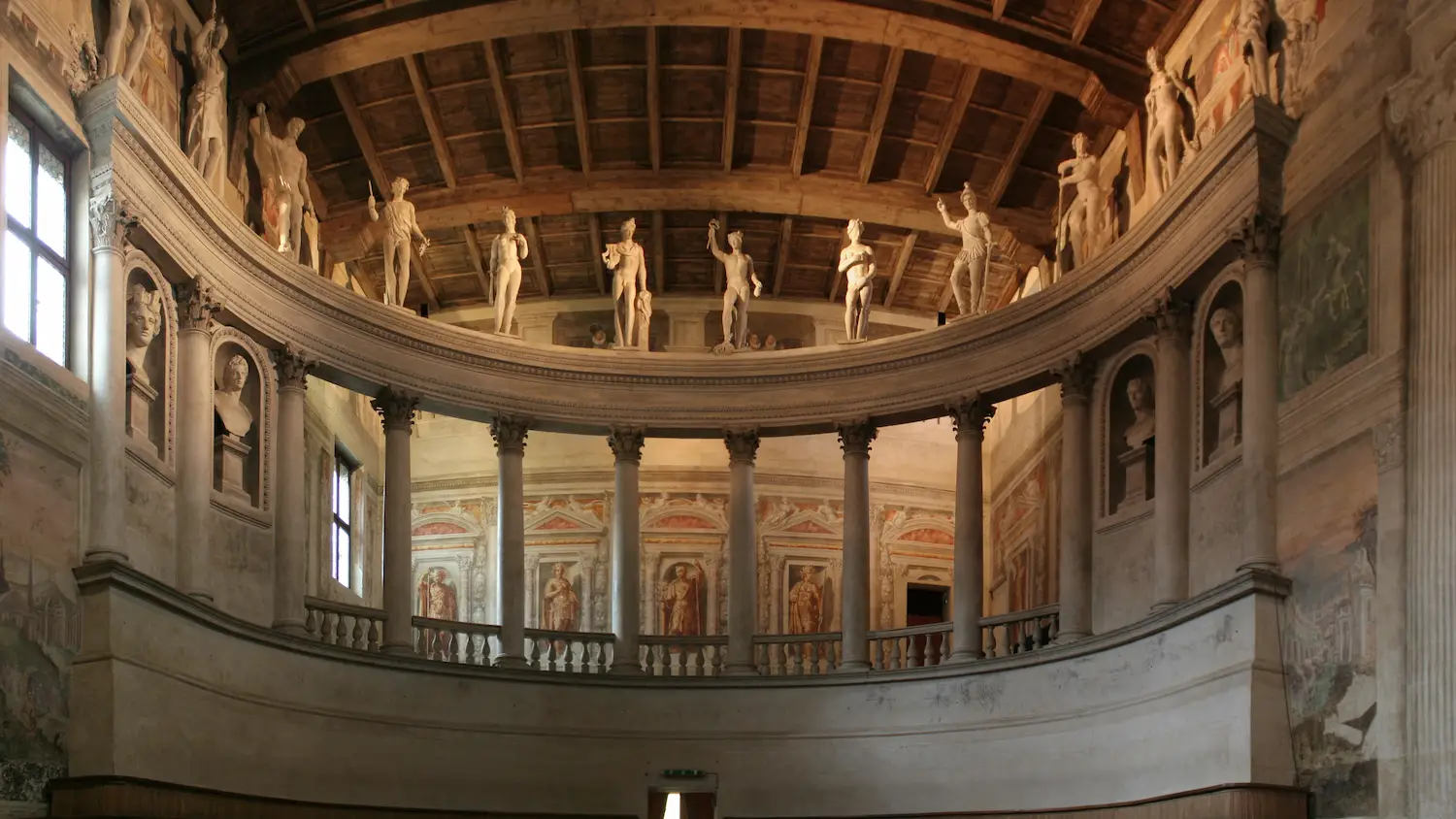
One of the most extraordinary monuments in Sabbioneta is the Teatro all’Antica, designed by Vincenzo Scamozzi in 1588.
Why it’s unique:
- First free-standing theater in Europe
- Inspired by ancient Roman theaters
- Permanent illusionistic stage set
- Perspective architecture
- Still used for performances today
It represents the rebirth of classical culture and the foundation of modern European theater architecture.
Galleria degli Antichi: Art, Power & Prestige
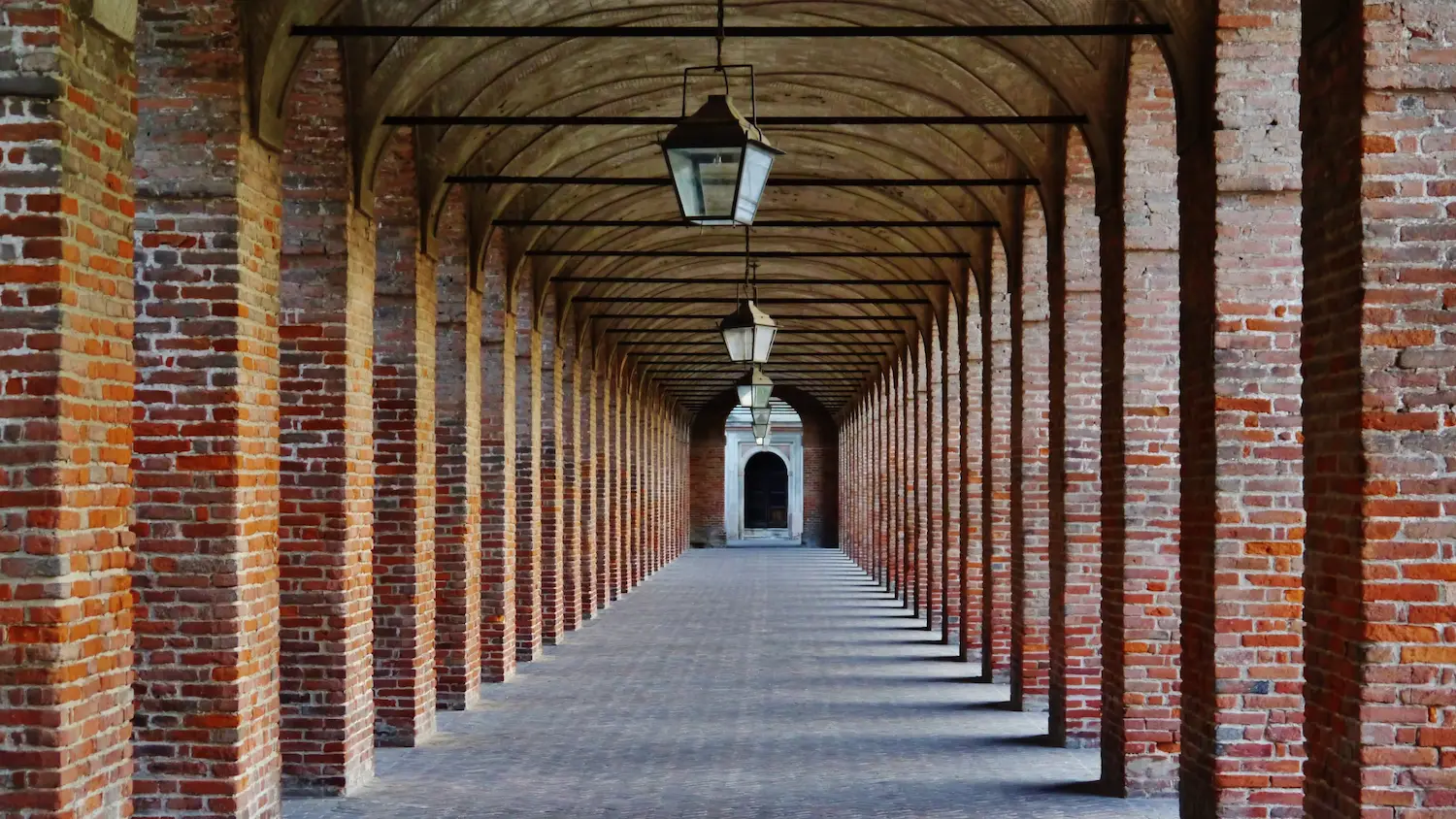
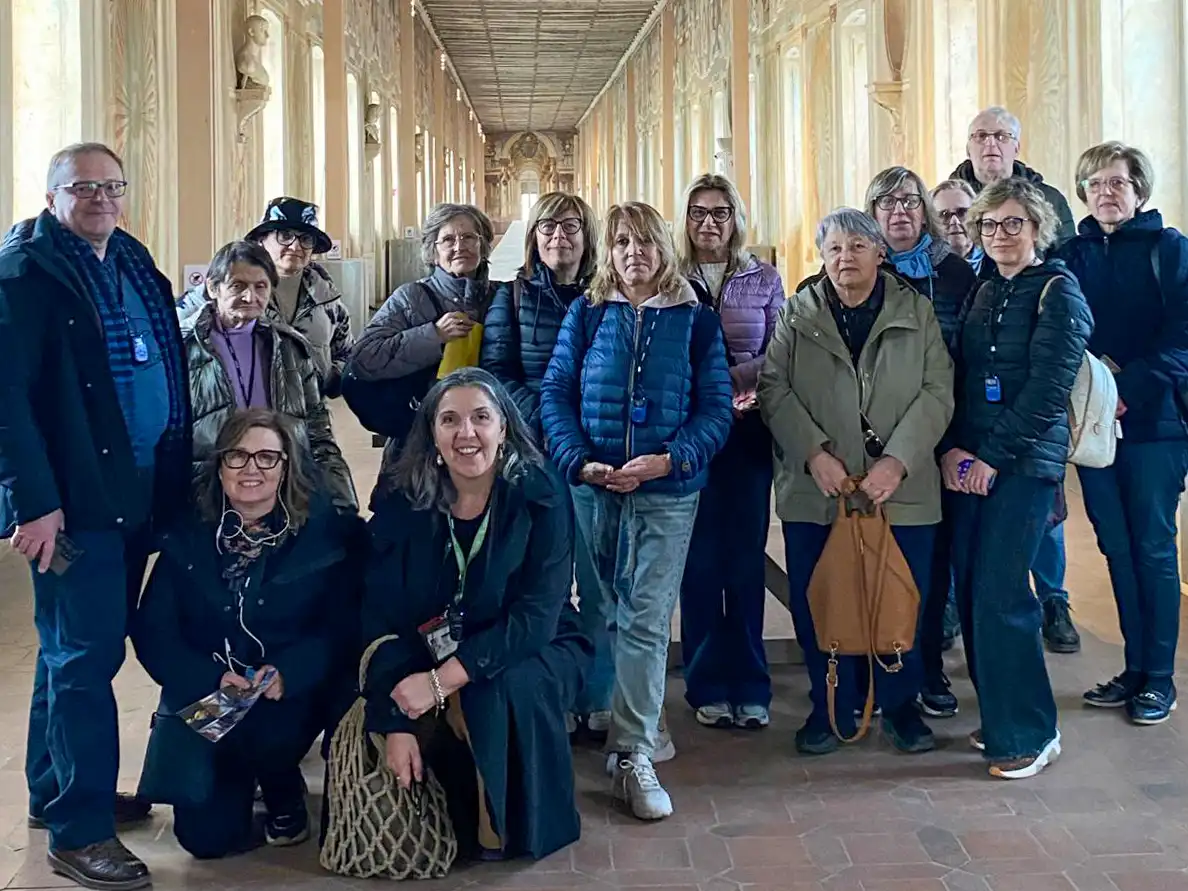
The Galleria degli Antichi is one of the longest Renaissance galleries in Italy, stretching over 90 meters. Originally created to display:
- Ancient sculptures
- Classical artifacts
- Coins and collections
- Artistic treasures
Today, it stands as a symbol of how culture was used as power during the Renaissance.
What to See & Do in Sabbioneta
Despite its small size, Sabbioneta offers a rich cultural experience. Top activities:
- Walk along the Renaissance walls
- Visit UNESCO monuments
- Explore museums and palaces
- Enjoy local Lombard cuisine
- Relax in historic piazzas
- Attend cultural events
- Discover hidden architectural details
Perfect Day Trip in Northern Italy
Sabbioneta is an ideal day trip destination from:
- Mantua (40 min by car)
- Verona (1 hour by car)
- Parma (40 min by car)
- Cremona (40 min by car)
What makes Sabbioneta particularly appealing today is the quality of the experience it offers. Far from the pressures of mass tourism, the town preserves an authentic atmosphere that allows visitors to engage with its history in a calm and meaningful way. Its peaceful environment encourages slow exploration, inviting travelers to wander through its streets without haste and to appreciate the details of its architecture and urban design.
At the same time, Sabbioneta’s cultural value remains exceptionally high. Every building, square, and perspective reflects a carefully conceived Renaissance vision, making the visit not only enjoyable but intellectually enriching. It is a destination where tranquility and cultural depth coexist, offering a refined and rewarding experience for those who seek more than a conventional tourist stop.
Why Visit Sabbioneta
Sabbioneta is not just a town, it is a Renaissance idea made real. It represents:
- The dream of the perfect city
- The union of art, philosophy, and urban planning
- A rare example of utopian architecture
- A timeless cultural experience
Perfect for travelers seeking slow tourism, culture, beauty, and authenticity.